3D Textured Abstract Painting: How to Choose the Right One for Your Home?
 Excerpt: A 3D textured abstract painting brings depth, tactile beauty, and a unique artistic voice to your interior. This guide helps you understand what makes texture art special, how to choose the perfect piece, and why it’s a worthwhile investment.
If you are drawn to art that invites touch and changes with every angle of light, a 3D textured abstract painting may be exactly what your walls need. Unlike flat prints, these works use layers of plaster, sand, and heavy pigments to create a dimensional surface that feels alive. But with so many styles and techniques, how do you choose the right one for your home? Let’s explore the key factors.
What Is a 3D Textured Abstract Painting?
A 3D textured abstract painting is an original artwork where the artist builds up the canvas surface using materials such as modeling paste, plaster, sand, or heavy acrylics. The result is a canvas that extends outward, creating actual relief and tactile dimension. These works often incorporate mixed media canvas art elements, combining paint with non-traditional materials to achieve unique visual effects.
Key characteristics include:
-
Raised surfaces that catch light and cast shadows
-
Layered materials like plaster, sand, or fabric
-
Bold, expressive gestures – visible brushstrokes and palette knife marks
-
Emphasis on materiality over representational imagery
Artists like Matteo Virelli at inkich specialize in this approach, using plaster and layered pigments to create surfaces that shift under light. [Learn more about our artists →]
 Textured Art vs. Flat Canvas Painting: What’s the Difference?
Understanding the distinction helps you decide which style suits your aesthetic and space.
| Feature | 3D Textured Abstract Painting | Flat Canvas Painting |
|---|---|---|
| Visual Impact | Dynamic, changes with lighting and viewpoint | Static, consistent from all angles |
| Tactile Experience | Invites touch; physical relief | Smooth surface, no texture |
| Artistic Technique | Often involves impasto, layering, mixed media | Traditional brush application, usually flat |
| Placement | Best in well-lit areas to highlight shadows | Works in any lighting condition |
| Maintenance | Requires gentle dusting; avoid moisture | Easy to clean with a soft cloth |
For those seeking wall art with dimension, a textured piece becomes a sculptural element that transforms a room.
How to Identify a Genuine Handmade Textured Painting
Authenticity matters, especially when investing in original art. Here’s what to look for:
-
Irregular texture: Handmade textures have natural variation; machine-made reproductions are uniform and flat.
-
Visible layering: Look for evidence of the artist’s process – overlapping materials, brushstroke edges, and subtle color mixing.
-
Back of the canvas: Original works often show paint drips, staple marks, and the artist’s signature.
-
Artist documentation: Trusted sellers like inkich provide detailed artist bios and creation stories, confirming artist authenticity in textured art.
What to Consider When Buying a Textured Abstract Painting
1. Artist’s Technique and Style
Different artists use varied methods. Some focus on impasto abstract art with thick oil paint, while others incorporate sand, plaster, or even recycled materials. Explore the inkich artist team to find a style that resonates with you.
2. Size and Proportion
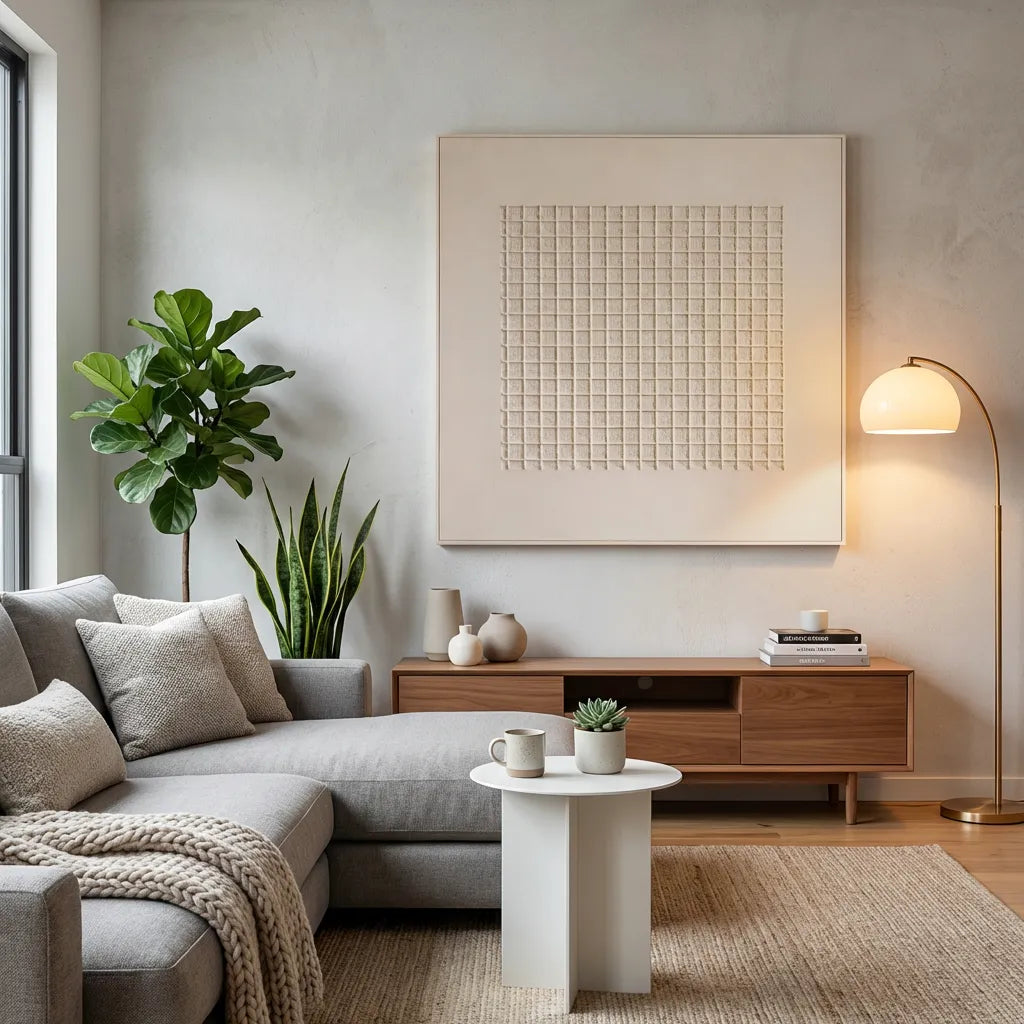
Measure your wall before purchasing. A large textured painting can become a focal point; for a living room, aim for art that spans 60–75% of the width of your sofa. Use our interactive size guide to visualize how different dimensions look in your space.
3. Color Palette
Textured art often features natural, earthy tones that blend well with modern interiors. Our neutral abstract painting collection offers pieces in beige, clay, and soft rust – perfect for minimalist or Scandinavian-inspired homes.
4. Lighting
Since texture relies on light and shadow, position your painting where natural or directional light will enhance its depth. Avoid direct sunlight, which can fade pigments over time.
5. Framing and Hanging
Most textured canvases come gallery-wrapped with finished edges. If you prefer a frame, consider a floating frame that doesn’t overshadow the texture. See our framing and hanging guide for detailed advice.
Where to Hang 3D Textured Art in Your Home
The unique properties of textured art make it ideal for certain spaces:
-
Living room: Above the sofa or fireplace – the focal point of social areas.
-
Entryway: A textured piece immediately sets the tone for your home.
-
Bedroom: Choose softer textures and muted colors for a calming atmosphere.
-
Home office: Adds creative energy and visual interest.
Frequently Asked Questions About Textured Abstract Art
1. What is 3D textured abstract painting?
It’s an original artwork where the artist builds up the canvas surface using materials like plaster, sand, or heavy paint to create a three-dimensional, tactile effect. Unlike flat prints, these pieces have actual relief and change appearance with lighting.
2. How can I tell if a textured painting is handmade?
Look for natural irregularity in texture, visible layers, and artist signature. Reputable sellers provide artist biographies and detailed photos. At inkich, each work is created by a named artist with documented techniques.
3. How do I clean a textured canvas?
Use a soft, dry brush or a microfiber cloth to gently remove dust. Never use water or cleaning solutions, as they can damage the texture. Avoid hanging in humid areas like bathrooms.
4. What size textured painting should I buy for my living room?
A common guideline is to choose artwork that spans 60–75% of the width of the furniture below it (e.g., a sofa). For a standard 3-seat sofa, a painting 48–60 inches wide works well. Use our size guide for personalized recommendations.
5. Why choose textured abstract art for a modern home?
Textured art adds depth, warmth, and a handcrafted feel that contrasts beautifully with clean lines and minimal interiors. It also showcases the artist’s skill and makes a strong style statement.
Find Your Perfect Textured Abstract Painting
A 3D textured abstract painting is more than decoration—it’s a conversation piece, a sensory experience, and a lasting investment in your space. Whether you’re drawn to bold impasto strokes or subtle plaster reliefs, inkich offers a curated selection of original works by artists who specialize in texture.
Browse our textured abstract collection to discover pieces that will transform your home. Each painting is handmade, one-of-a-kind, and ready to bring dimension to your walls.