What Is 3D Textured Oil Painting? A Beginner's Complete Guide

Walking through a modern art gallery or scrolling through contemporary home decor feeds, you've likely paused at a canvas that seems to leap off the wall. Swirling peaks of paint, dramatic ridges, and sculptural forms that beg to be touched—this is the captivating world of 3D textured oil painting. But what exactly elevates a flat canvas into a three-dimensional masterpiece? If you're new to the concept and have been browsing collections like those at Ink & Ich (https://www.inkich.com/), this guide will walk you through everything you need to know about this tactile art form.
What Exactly Is 3D Textured Oil Painting?
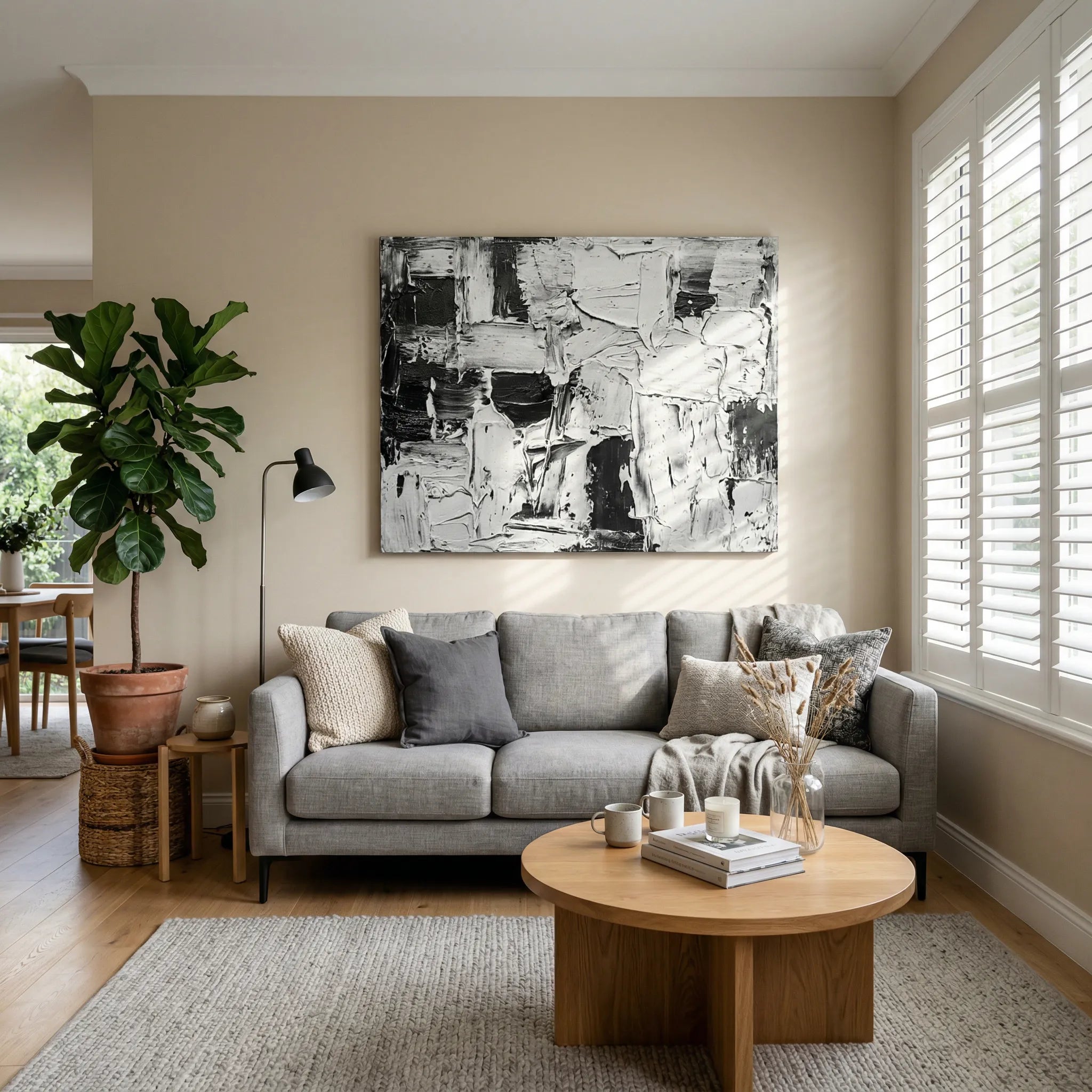
At its core, 3D textured oil painting is a fine art technique where paint is applied to the canvas in exceptionally thick layers, creating a surface that has literal height, depth, and shadow. Unlike traditional flat painting that relies solely on perspective and color illusion to create depth, this style uses the physical bulk of the paint itself. The result is a sculptural, almost architectural surface that changes appearance as the light in the room shifts.
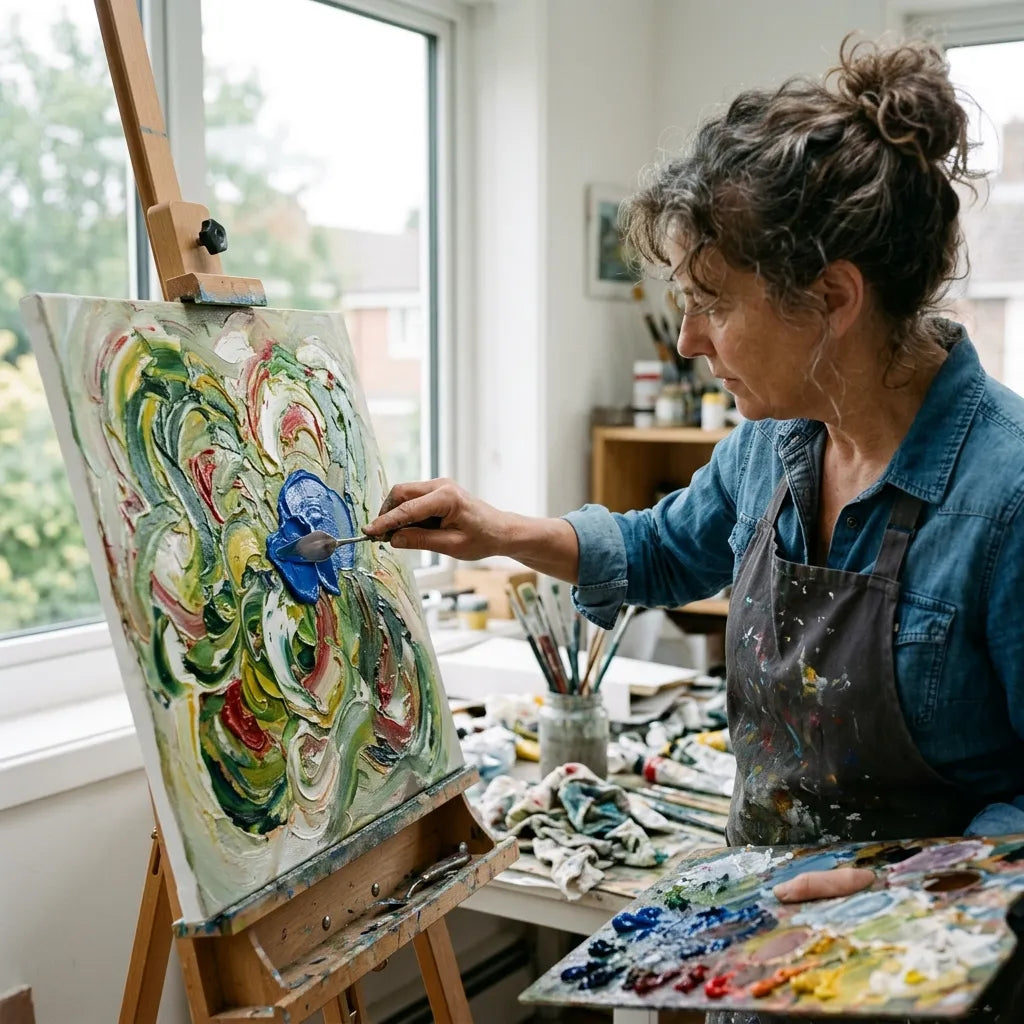
This style is deeply rooted in the technique known as Impasto. Originating with masters like Van Gogh and Rembrandt, impasto involves laying oil paint on so thickly that the brushstrokes or palette knife marks are visible and tangible. In a modern context, a 3D textured oil painting takes this further, often using modeling paste, heavy gels, or layers upon layers of oil paint to create dramatic peaks and valleys on the canvas.
How Is a 3D Textured Oil Painting Created?
Understanding the process helps appreciate the craftsmanship behind every three-dimensional canvas art piece. Here is a simplified breakdown of how artists typically build that heavy texture:
-
Priming the Canvas: The canvas must be heavy-duty and tightly stretched to withstand the weight of the materials.
-
Building the Base Texture (The "Sculpting" Phase): Artists often mix oil paint with a thickening medium or modeling paste. Using palette knives—not brushes—they spread and carve the mixture like frosting on a cake. This is where the impasto oil painting foundation is laid.
-
The Drying Process: Because the paint is so thick, drying time is significant. Unlike water-based acrylics, oil paint cures through oxidation. A heavy texture wall decor piece can take weeks or even months to fully harden to a durable, stone-like finish.
-
Glazing and Finishing: Once the underlayer is dry, artists may apply thin washes of color (glazes) that settle into the crevices, enhancing the 3D effect and adding depth to the modern textured painting.

Why Is 3D Textured Wall Art So Popular in Modern Homes?
In an age dominated by flat screens and digital minimalism, there is a growing hunger for tactility. A 3D textured oil painting satisfies the human need for sensory engagement. Here's why designers and homeowners alike are gravitating toward this textured wall art for beginners and experts alike:
-
Dynamic Lighting Effects: A 3D piece is a living artwork. As natural light moves across the room, shadows form and recede in the ridges, giving you a slightly different painting at 8:00 AM versus 8:00 PM.
-
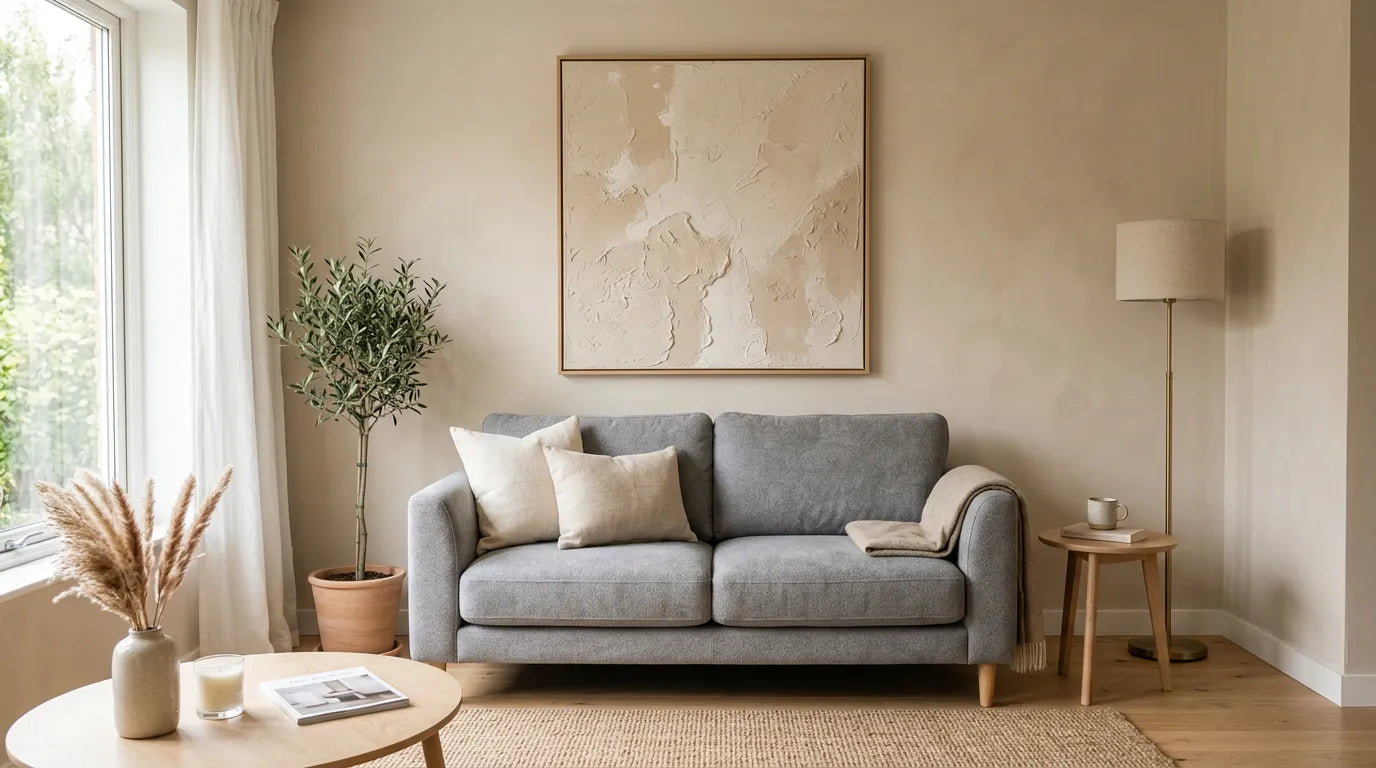
Visual Weight Without Color Clutter: You can achieve a massive "wow factor" using just neutral, monochrome tones (like plaster white, charcoal, or beige). The three-dimensional canvas art provides the drama, allowing the rest of the room to remain calm and uncluttered.
-
Acoustic Softening: An added bonus that many don't consider—the thick, uneven surface of heavy texture wall decor can help slightly diffuse sound waves, reducing echo in rooms with hard floors and high ceilings.
Is 3D Textured Art Better Suited for Acrylic or Oil Paint?
While both mediums can achieve texture, they behave very differently. Here's a comparison table for the beginner oil painting guide enthusiast trying to understand the difference:

| Feature | Oil Paint (3D Textured Oil Painting) | Acrylic Paint (Textured Acrylic) |
|---|---|---|
| Texture Longevity | Superior. Cures rock-hard over time; maintains sharp peaks. | Good. Flexible, but can crack if applied too thickly without additives. |
| Working Time | Long. Stays wet for days, allowing for blending and sculpting. | Short. Dries in minutes, requiring fast work or retarders. |
| Finish | Rich, deep luster. Colors are more saturated and luminous. | Matte/Plastic. Tends to dry flatter unless varnished. |
| Best For | Heavy Impasto / Fine Art. The gold standard for 3D textured oil painting. | Quick Projects / Mixed Media. Easier cleanup but less archival quality. |
External Reference: According to experts at Winsor & Newton, the unique viscosity of oil paint makes it the preferred medium for achieving permanent, sculptural impasto effects that do not shrink or deform as they cure.
How to Choose the Right 3D Textured Oil Painting for Your Space?
For those just starting to explore textured wall art for beginners, the selection process can feel overwhelming. The key is to match the energy of the texture to the function of the room.
-
Soft, Flowing Ridges (Wave or Plaster Patterns): Perfect for Bedrooms and Bathrooms. These pieces evoke a sense of calm, water, and organic flow. They complement spa-like, minimalist, or coastal modern aesthetics. Explore the Serene Textures Collection at Ink & Ich (https://www.inkich.com/collections/textured-art) for examples.
-
Sharp, Angular Peaks (Geometric Impasto): Ideal for Home Offices and Living Rooms. The aggressive, structured lines convey energy, focus, and modern sophistication. They pair beautifully with industrial lighting and metal accents.
-
Circular, Concentric Motifs: Excellent for Dining Rooms and Entryways. The circular motion creates a focal point that draws people in and symbolizes unity.
How Do I Clean and Maintain Heavy Texture Wall Decor?

This is the number one question for new owners of modern textured painting. Because the surface isn't flat, you can't just wipe it down with a wet cloth.
-
The Golden Rule: Never use liquid cleaners or water. Water can seep into the porous layers and weaken the bond between the paint and canvas over time.
-
Recommended Method: Use a can of compressed air (like those used for keyboards) or a hair dryer on a COOL, LOW setting to blow dust out of the deep crevices.
-
Light Touch: For stubborn dust, a very soft, dry makeup brush or feather duster lightly swept across the peaks works wonders.
Frequently Asked Questions (FAQ)
Q: Can a 3D textured oil painting be touched?
A: Yes, but with care. Unlike a museum piece behind glass, 3D textured oil painting is meant to be a tactile experience. However, oils from human hands can attract dust and eventually darken the peaks. It's best to enjoy the texture visually and only touch occasionally with clean, dry hands.
Q: Is 3D wall art a passing trend or a classic?
A: While the specific colors of modern textured painting may follow trends (e.g., beige plaster in 2026 vs. gray concrete in 2020), the technique of impasto oil painting has been a fine art staple for over 400 years. Investing in a quality three-dimensional canvas art piece is a long-term design choice, not a fleeting fad.
Q: Does it take longer to ship a 3D textured oil painting?
A: Often, yes. Because of the heavy texture wall decor curing process mentioned earlier, artists and galleries like Ink & Ich (https://www.inkich.com/) require a "curing window" before the painting can be safely varnished and packed. This ensures your 3D textured oil painting arrives hard as a rock and ready to hang without the risk of smudging the peaks.
Q: Can I commission a custom size for my wall?
A: Absolutely. One of the benefits of textured wall art for beginners moving into custom design is that scale is everything. A massive three-dimensional canvas art diptych or triptych can transform a double-height wall. Be sure to provide exact measurements so the artist can reinforce the canvas frame to support the extra weight of the impasto oil painting materials.
Q: What is the difference between "3D textured" and "hand-painted"?
A: All 3D textured oil paintings are hand-painted (you cannot replicate heavy impasto by machine printing), but not all hand-painted art is 3D. A flat hand-painted landscape is 2D. A modern textured painting requires additional materials (modeling paste) and specific knife-work to achieve the sculptural, raised surface that defines the 3D textured oil painting genre.