
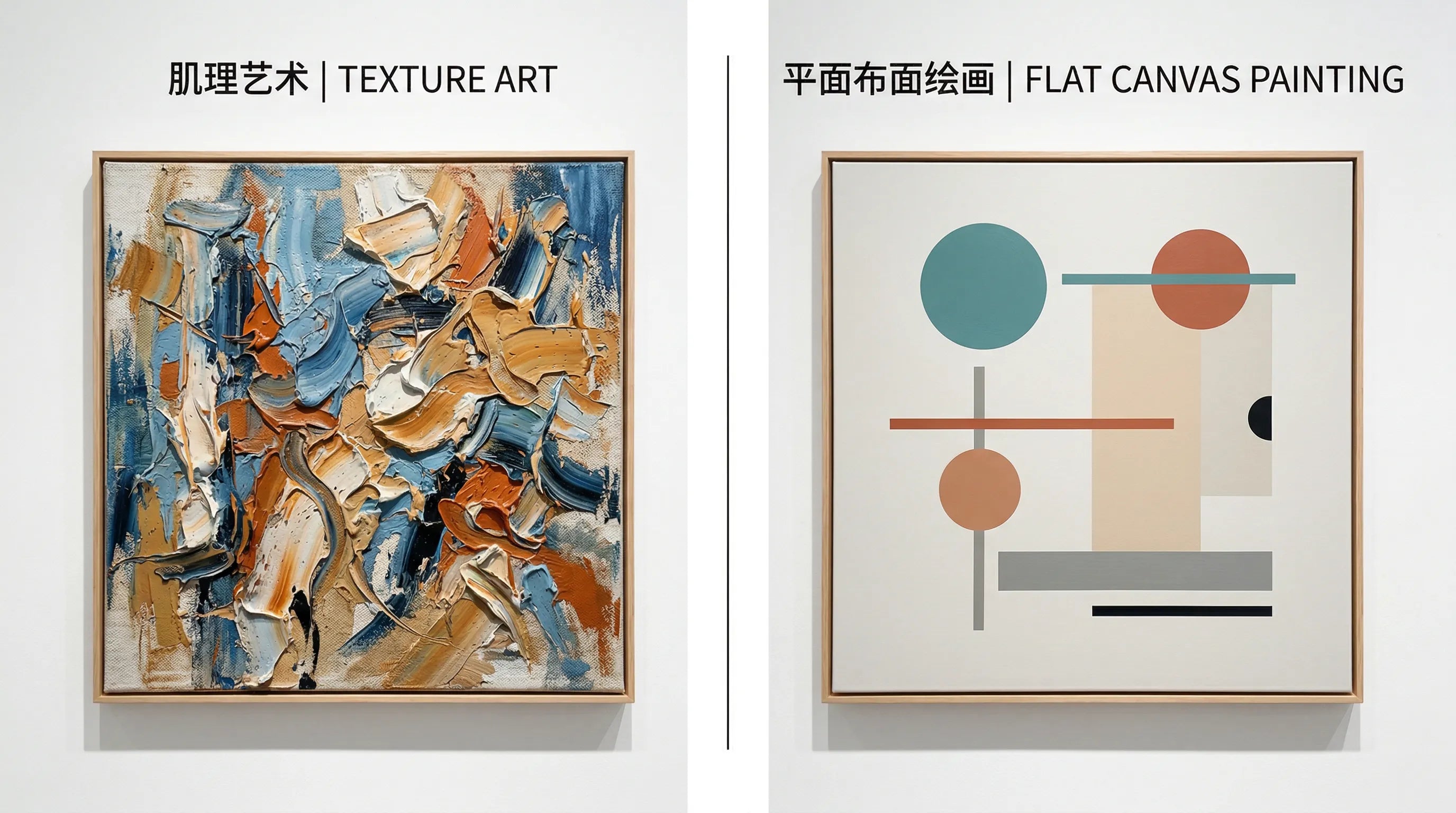
Impasto Painting vs Regular Oil Painting: Which Is Better for Home Decor?

Choosing the right wall art for your home can be overwhelming. Two popular oil painting techniques often compete for attention: impasto painting (thick, textured strokes) and regular oil painting (smooth, blended layers). Both are beautiful, but which one works better for your living room, bedroom, or dining area? This guide compares them across six key factors – durability, lighting, style, maintenance, cost, and emotional impact – to help you decide.
What Is Impasto Painting? How Does It Differ from Regular Oil Painting?

Defining Impasto Painting
Impasto painting is a technique where oil paint is applied thickly onto the canvas, often with a palette knife or stiff brush, leaving visible, three‑dimensional strokes. The word “impasto” comes from the Italian impastare – “to knead” or “to paste”. Artists like Vincent van Gogh and Rembrandt famously used impasto to add drama and movement. When light hits an impasto surface, it casts small shadows, making the artwork “come alive” from different angles.
Defining Regular Oil Painting
Regular oil painting (also called traditional or smooth oil painting) involves applying oil paint in thin, even layers, often blended wet‑on‑wet or allowed to dry between layers. The final surface is relatively flat, with subtle brushmarks but no pronounced texture. This technique allows for fine details, realistic portraits, and smooth gradients – think classical still lifes or Renaissance portraits.
Key Differences at a Glance
| Feature | Impasto Painting | Regular Oil Painting |
|---|---|---|
| Surface texture | Highly raised, 3D strokes | Flat or very slight texture |
| Drying time | Longer (thick paint takes weeks to fully dry) | Shorter (thin layers dry faster) |
| Light interaction | Creates dynamic shadows & highlights | Even, diffused light reflection |
| Best for | Abstract, expressive, modern, rustic decor | Realistic, traditional, minimalist, formal spaces |
| Touch feel | Can be gently touched (textured) | Smooth, not tactile |
| Weight | Heavier (more paint) | Lighter |
Which Painting Creates a Stronger Visual Impact in a Room?
Impasto Brings Drama and Movement
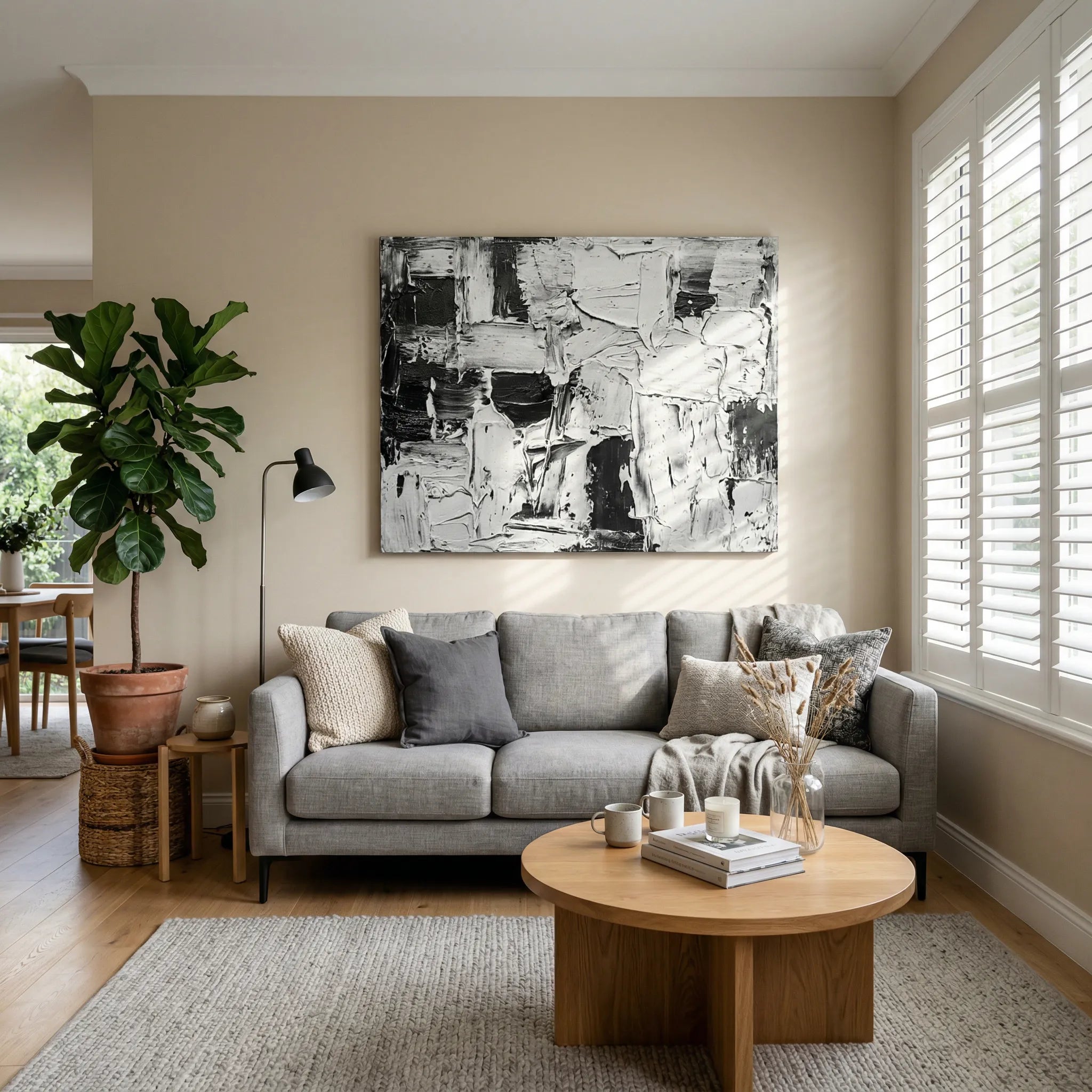
Because of its raised texture, an impasto painting changes appearance throughout the day as sunlight moves across the room. The peaks and valleys of paint catch light differently, creating a “living” artwork that never looks the same twice. This makes impasto artwork an excellent choice for living rooms or dining areas where you want a dynamic focal point. For example, a large abstract impasto piece in warm earth tones can anchor a modern rustic or industrial-style room.
Regular Oil Painting Offers Subtle Elegance
A regular oil painting offers a more traditional, quiet presence. The smooth surface reflects light evenly, which is ideal for hallways, bedrooms, or home offices where you want a calm, undistracting atmosphere. Classical portraits, landscapes, or still lifes painted in thin layers feel timeless and refined. If your decor is minimalist, traditional, or formal, a regular oil painting may blend more seamlessly.
Pro Tip: In a room with bold patterned wallpaper or many textured elements (like brick or wood), a smooth oil painting can provide visual rest. In a minimalist white room, an impasto piece can add the only texture you need.

Which Is More Durable for Everyday Home Use?
Impasto – Prone to Dust but Resilient
The raised ridges of an impasto painting can collect dust over time, especially if hung in a kitchen or near an open window. However, the thick paint film is physically robust – minor bumps won’t damage it easily. Cleaning requires a soft brush or compressed air (never a wet cloth, as moisture can seep into cracks). High-quality hand-painted canvas with proper varnishing resists yellowing and cracking for decades.
Regular Oil Painting – Easier to Clean
A regular oil painting has a smooth, often varnished surface that can be gently wiped with a barely damp microfiber cloth (always test in a corner first). Dust doesn’t accumulate in crevices, so maintenance is simpler. However, the thin paint layers are more vulnerable to scratches – a sharp object or a pet’s claw could leave a permanent line.
Durability verdict:
-
Impasto wins for physical resistance to dents.
-
Regular oil wins for ease of cleaning and dust management.
How Do Lighting Conditions Affect Each Type?
Impasto Loves Directional Light
Impasto painting thrives under angled lighting – track lights, picture lights, or a window with direct sunlight (moderate exposure). The shadows created by thick strokes add depth and drama. Avoid hanging impasto in a dark corner where texture becomes invisible. A living room with a spotlight or a south‑facing wall is perfect.
Regular Oil Painting Works in Any Light
Regular oil painting looks good under almost any lighting: diffused, overhead, or natural. Because there is no texture to “activate”, you won’t lose the effect. This makes regular oil paintings suitable for hallways, north‑facing rooms, or spaces with inconsistent lighting.
Lighting tip: Use a dedicated picture light for impasto to enhance the 3D effect. For regular oil, even ambient room light is fine.
Which Style Fits Modern Home Decor Trends?
Impasto for Organic, Textured, and Modern Interiors
Current interior design trends (2025–2026) heavily favour textured wall art. Searches for “impasto painting for living room” have grown by over 40% year‑on‑year. Impasto artwork pairs beautifully with:
-
Organic modern (raw wood, stone, linen)
-
Japandi (minimalist + warm textures)
-
Wabi Sabi (imperfect, handcrafted feel)
-
Industrial loft (concrete + steel + expressive art)
Regular Oil Painting for Classic and Minimalist Spaces
Traditional oil painting never goes out of style. It fits:
-
Traditional / Victorian decor (gilded frames, antique furniture)
-
Minimalist (smooth surfaces, clean lines – a single landscape adds colour without clutter)
-
Coastal (soft seascapes with blended skies)
-
Mid‑century modern (abstract but flat – think Rothko or Motherwell)
Explore hand-painted options: Discover original hand-painted canvas pieces in both impasto and smooth finishes at https://www.inkich.com/collections/3d-textured-art – every artwork is unique and made to order.
Maintenance and Care: A Quick Comparison
| Task | Impasto Painting | Regular Oil Painting |
|---|---|---|
| Dust removal | Soft brush or compressed air | Soft dry cloth or feather duster |
| Wet cleaning | Not recommended (water trapped in crevices) | Gently with slightly damp microfiber (varnished only) |
| Varnishing | Recommended after 6‑12 months (once fully dry) | Can be varnished immediately or left unvarnished |
| Reframing | Needs deep-set frame to avoid touching paint | Standard frame depth works |
| Sunlight sensitivity | Moderate – colours may fade but texture remains | Moderate – fading depends on pigment quality |
Cost Considerations: Which Is More Affordable?
Generally, regular oil painting is less expensive than impasto because it uses less paint and dries faster (reducing studio time). However, prices vary widely based on artist reputation, canvas size, and complexity.
-
Impasto painting costs more because:
-
Uses 3–5 times more oil paint
-
Longer drying time (artist must wait weeks between layers)
-
Palette knife work requires specific skill
-
-
Regular oil painting can be more affordable, but highly detailed realistic works command premium prices.
Typical price range (original hand‑painted, 60×80cm):
-
Impasto: $300 – $1,200
-
Regular oil: $150 – $800
Budget tip: For a similar textured look at lower cost, consider acrylic impasto – acrylic dries faster and is cheaper, but lacks the rich depth of oil.
Which Painting Creates a Stronger Emotional Connection?
Impasto – Energy, Passion, and Tactility
The physical presence of impasto painting invites viewers to almost “feel” the artist’s gesture. Thick strokes can express anger, joy, or wild energy. Many people find impasto more emotionally engaging because it breaks the barrier between art and viewer. Running a finger lightly over the surface (if allowed) creates a sensory memory.
Regular Oil – Calm, Reflection, and Precision
Regular oil painting evokes calmness, patience, and attention to detail. Smooth portraits feel intimate; soft landscapes feel dreamy. This type of painting often works better in spaces meant for relaxation, like a bedroom or reading nook.
Emotion verdict: Choose impasto for spaces where you want energy and conversation (living room, home bar). Choose regular oil for spaces where you want peace (bedroom, study).
Frequently Asked Questions (FAQ) About Impasto vs Regular Oil Painting
Is impasto painting more expensive than regular oil painting?
Yes, generally. Impasto painting uses more paint, takes longer to dry, and requires specific techniques, so original impasto pieces are typically 30–100% more expensive than similar‑sized regular oil paintings.
Can I hang impasto painting in a bathroom?
Not recommended. High humidity can cause thick oil paint to swell or crack over time. Regular oil painting with a proper varnish can tolerate occasional bathroom humidity, but neither is ideal.
Does impasto painting collect dust easily?
Yes. The raised ridges trap dust. Use a soft brush or a hairdryer on cool setting to blow dust away every few months. Never use a wet cloth.
Which is better for a minimalist living room – impasto or regular oil?
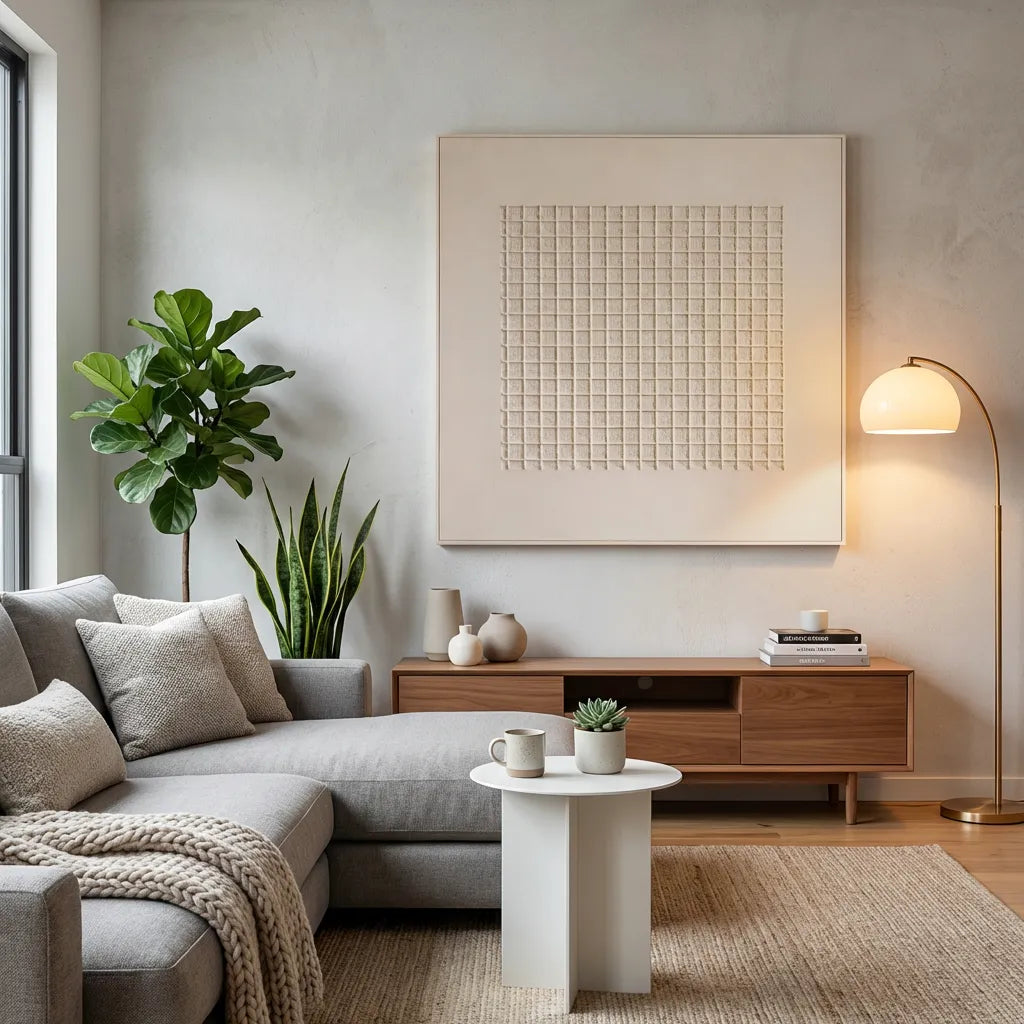
It depends on the look you want. A single impasto painting in neutral tones (white, beige, grey) adds texture without colour, fitting “organic minimalism”. A regular oil painting with a simple abstract or monochrome subject maintains a flat, ultra‑clean look. Both work – test with a virtual mockup.
Can I touch an impasto painting?
Light touching is usually safe once the paint is fully cured (6–12 months after creation). However, oils from fingers can discolour the paint over time, so it’s best to admire with eyes only.
Where can I buy original hand‑painted impasto or regular oil paintings?
Visit https://www.inkich.com/ to explore a curated collection of hand-painted canvas artworks, including both impasto and smooth oil styles. Each piece is made to order with premium materials.
Conclusion: Which One Should You Choose?
There is no absolute winner – the best choice depends on your room, lighting, style preference, and budget.
-
Choose Impasto Painting if you:
-
Want a bold, textured focal point
-
Have directional lighting (spotlight or window)
-
Love expressive, modern, or rustic decor
-
Don’t mind occasional dusting
-
-
Choose Regular Oil Painting if you:
-
Prefer a smooth, elegant, timeless look
-
Have limited or diffuse lighting
-
Want low‑maintenance cleaning
-
Like realistic details or soft gradients
-
Still unsure? Many homeowners blend both – a large impasto painting in the living room and a calming regular oil painting in the bedroom. Whichever you choose, hand-painted original art always brings more soul than a print.
%20and%C2%A0regular%20oil%20painting%C2%A0...)