How to Create a Gallery Wall That Feels Elevated, Not Cluttered
 A gallery wall can completely transform a room, but the difference between elegant and cluttered often comes down to planning. The best gallery walls feel curated rather than crowded. They bring rhythm, personality, and visual balance to a space instead of simply filling an empty wall.
The first step is to choose a clear visual direction. That does not mean every piece has to match, but the arrangement should have a unifying thread. This could be a consistent color palette, a shared mood, similar frame tones, or a repeated texture story. If you want inspiration on arranging art before hanging it, Architectural Digest’s gallery wall ideas and HGTV’s gallery wall inspiration are useful references for seeing how different layouts can work in real interiors.
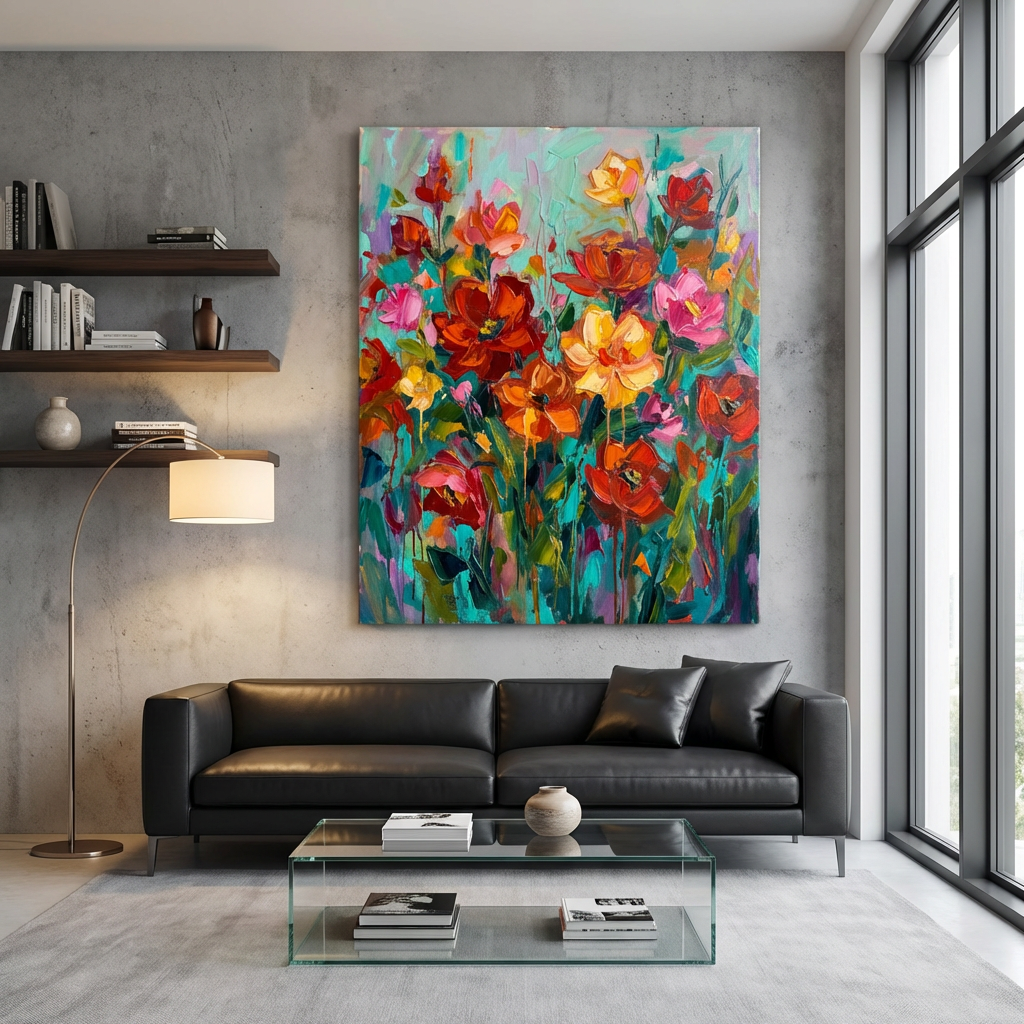
One of the easiest ways to make a gallery wall look more elevated is to start with one anchor piece. This could be your largest work or simply the one with the strongest visual presence. From there, you can build around it with smaller supporting works. If you want a modern and cohesive look, begin with a statement work from our Abstract Art collection and pair it with quieter, more tonal pieces from our Minimalist collection.
Spacing matters more than many people realize. If artworks are placed too far apart, the wall can feel disconnected. If they are too close together, the arrangement may feel crowded and heavy. Before hanging anything permanently, lay the pieces on the floor first or map them out on the wall to test the composition. This step often saves time and helps you see whether the arrangement feels balanced. It is especially helpful if you are mixing horizontal and vertical works.
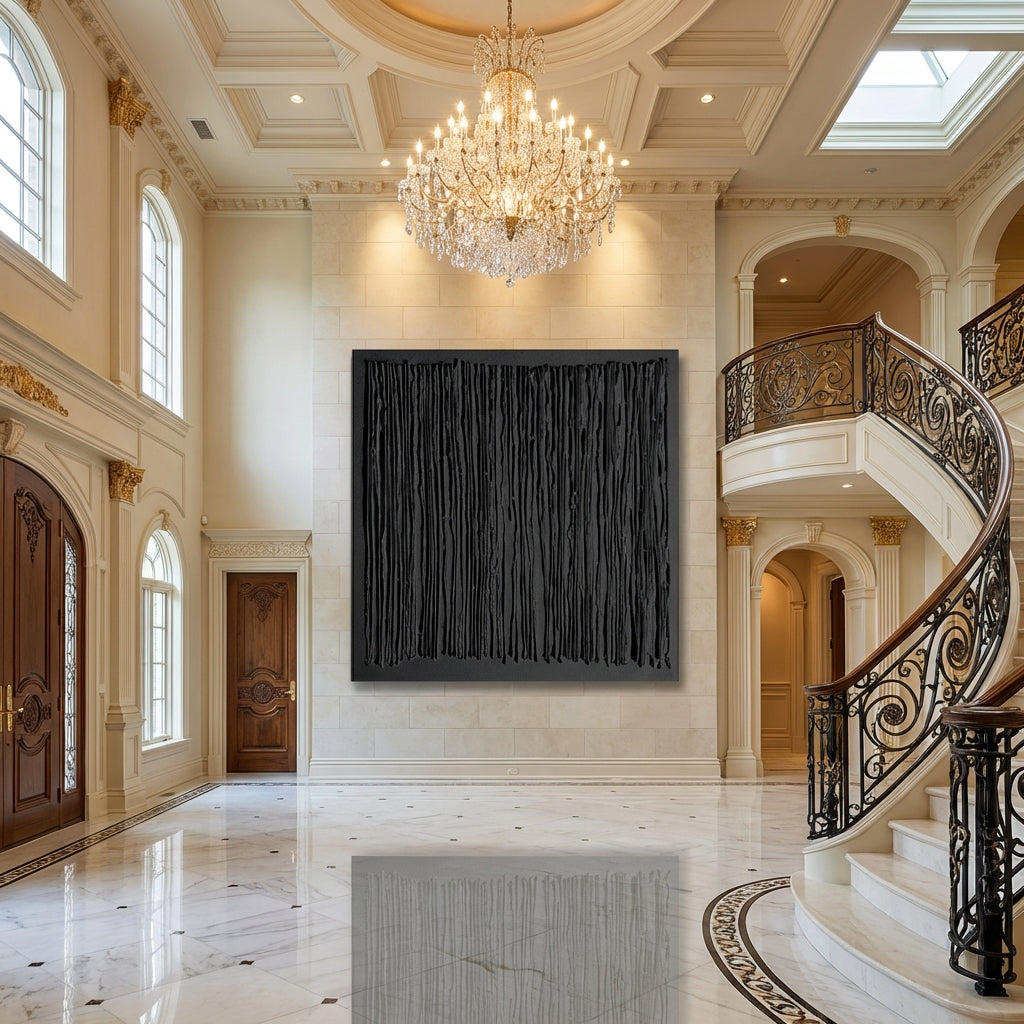
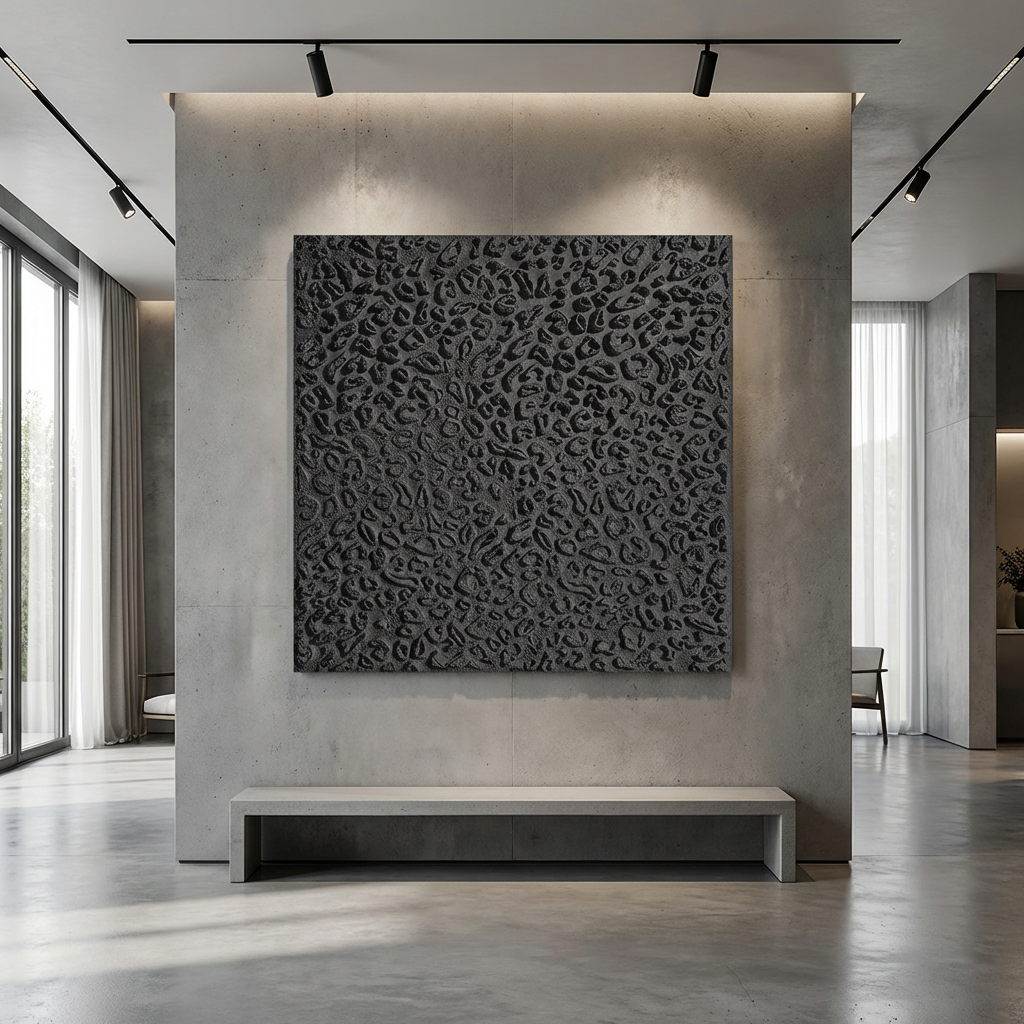
Texture is another important element, especially if you want the final result to feel luxurious instead of flat. A gallery wall made entirely of smooth prints can sometimes feel repetitive, while mixing in hand-painted and textured works creates more depth and visual rhythm. This is particularly effective in neutral interiors, where the wall art needs to do more than just add color. For a more tactile composition, our 3D Textured Art collection adds dimension beautifully, while our Wabi Sabi Art collection works well for softer, more organic arrangements.
You should also think about the room itself. A gallery wall above a sofa should feel proportionate to the seating area. In a hallway, a narrower vertical flow may work better. In a bedroom, the arrangement should usually feel calmer and less visually busy than it would in a living room or creative workspace. The most successful gallery walls respond to the architecture and function of the room rather than following a fixed formula.
If you prefer a cleaner aesthetic, you do not need to use many pieces. Sometimes a three-piece arrangement is more elegant than a wall filled with ten smaller works. The goal is not to maximize quantity, but to create harmony. This is why many homeowners begin by browsing our Best Sellers first, then narrowing down to styles that feel related in tone and texture.
If you are planning a gallery wall for your home and want help choosing the right combination, you can start by reviewing our FQA page for common questions. You can also contact us directly through our Contact Us page if you would like guidance on styling, scale, or pairing multiple pieces together.
A beautiful gallery wall should feel collected, intentional, and easy to live with. When color, texture, spacing, and scale work together, the result is not just decorative. It becomes part of the atmosphere of the home.